

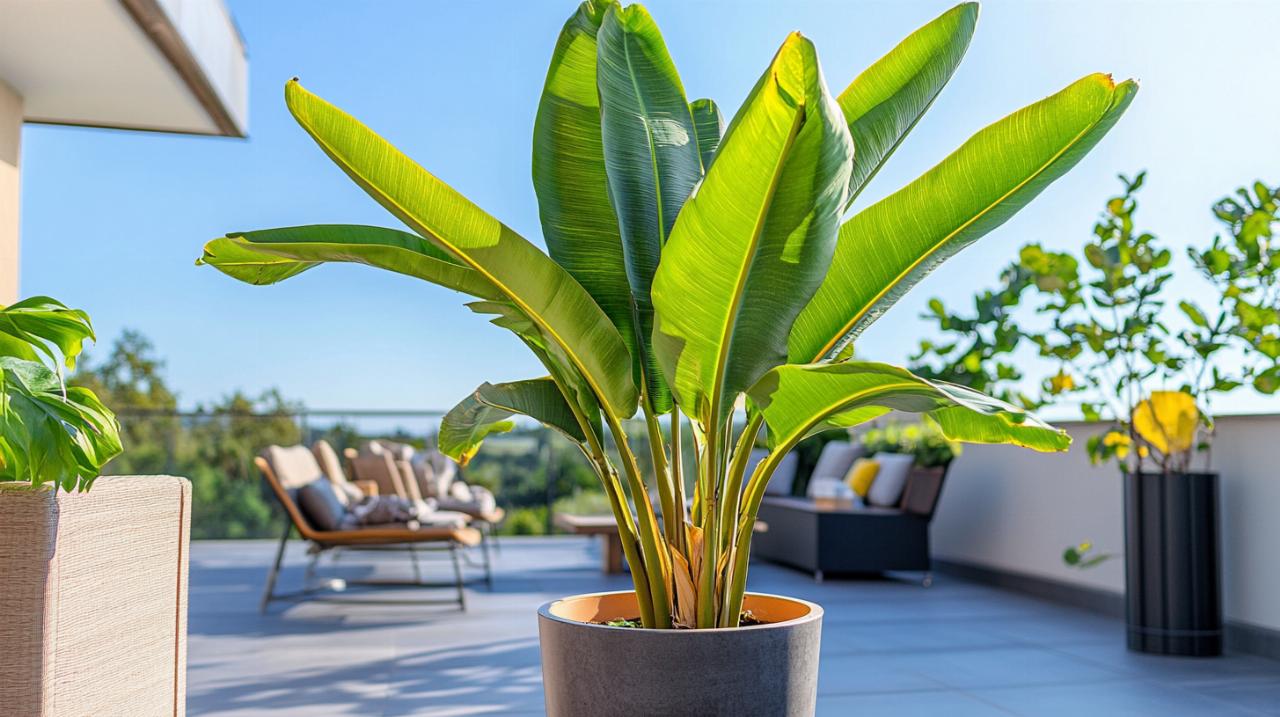
Transforming a modest terrace into a verdant tropical retreat might seem like a flight of fancy, yet with the right approach, cultivating a banana plant in a pot is entirely achievable. These magnificent specimens, with their broad, sweeping foliage, bring an undeniable sense of the exotic to any outdoor space. Whilst they rarely produce fruit in the UK climate, their architectural presence and lush greenery more than compensate, offering a striking focal point that evokes distant shores. The key lies in understanding their needs and creating conditions that mimic their natural habitat, even within the constraints of container gardening.
Selecting the Perfect Banana Plant and Pot for Your Terrace
The foundation of success in growing banana plants on your terrace begins with choosing the appropriate variety and container. Not all banana specimens are created equal, particularly when it comes to their tolerance of British weather and their suitability for confined spaces. Some varieties are bred for their compact stature and resilience, making them ideal candidates for container gardening, whilst others demand more space and protection. Equally important is the selection of a pot that can accommodate the vigorous root system and provide adequate drainage to prevent waterlogging, a common pitfall that can spell disaster for these moisture-loving yet drainage-dependent plants.
Choosing the Right Banana Variety: Dwarf Cavendish vs Musa Basjoo
When it comes to selecting a banana plant for your terrace, the choice largely hinges on your climate and the level of winter protection you can provide. The Dwarf Cavendish, scientifically known as Musa acuminata, is a popular choice for those seeking a more manageable size. This variety typically reaches heights of around three metres, making it suitable for terraces where space is at a premium. Its vibrant foliage and relatively compact growth habit make it a favourite among urban gardeners. Dwarf varieties such as the Super Dwarf Cavendish can even stay under one and a half metres, perfect for smaller outdoor areas or for those who wish to bring their plant indoors during the coldest months.
In contrast, Musa basjoo, commonly referred to as the Japanese banana, stands out for its remarkable hardiness. This variety can withstand temperatures down to freezing, making it one of the most resilient options for outdoor cultivation in milder regions of the UK. Whilst it can grow taller, sometimes exceeding three metres, its ability to survive winter with proper insulation makes it a practical choice for those who wish to leave their plant outside year-round. The Royal Horticultural Society often highlights Musa basjoo as the hardiest option available, capable of enduring the British climate with appropriate frost protection. Other ornamental varieties, such as Musa velutina with its distinctive pink fruit or Musa sikkimensis with its striking bluish leaves, offer visual interest but may require more sheltered conditions.
Pot Size, Material and Drainage Requirements for Healthy Growth
The container you choose for your banana plant is just as crucial as the variety itself. These plants develop extensive root systems that demand ample space to spread and establish themselves. A pot that is too small will restrict growth and lead to a stunted, unhealthy specimen. As a general rule, opt for a container that is at least sixty centimetres in diameter and depth, though larger is often better, especially as the plant matures. Heavy-duty plastic or resin pots are practical choices, as they are lightweight and easier to move when necessary, yet they also retain moisture well.
Drainage is non-negotiable when it comes to container gardening with banana plants. Without proper drainage holes, excess water will accumulate at the bottom of the pot, leading to root rot and a host of other problems. Ensure your chosen pot has multiple drainage holes to allow water to escape freely. To further enhance drainage, consider placing a layer of clay pebbles or broken crockery at the base of the pot before adding soil. This layer prevents the drainage holes from becoming clogged with soil and creates a reservoir that allows roots to breathe. The material of the pot also plays a role in temperature regulation; terracotta pots, whilst attractive, can dry out more quickly and may crack in freezing conditions, so weigh the aesthetic against the practical needs of your plant.
Planting and Establishing Your Banana Plant: Soil, Watering and Positioning
Once you have selected the right variety and container, the next step is to establish your banana plant in a way that sets it up for long-term success. This involves preparing a nutrient-rich potting mix that provides both structure and sustenance, establishing a consistent watering routine that meets the plant's high moisture demands, and positioning it in a location that maximises light exposure whilst protecting it from harsh elements. Getting these fundamentals right from the outset will ensure your banana plant thrives and becomes the centrepiece of your terrace garden.
Creating the Ideal Potting Mix with Proper Drainage Using Clay Pebbles
The soil you use is the lifeblood of your banana plant, providing essential nutrients, moisture retention, and structural support. Banana plants prefer a well-draining yet fertile medium with a slightly acidic to neutral pH, ideally between six and seven. A high-quality, peat-free multipurpose compost mixed with garden soil and a generous helping of well-rotted organic matter such as compost or manure creates an ideal base. This combination ensures the soil remains loose and aerated, preventing compaction that can suffocate roots and impede growth.
To enhance drainage further, incorporating clay pebbles into your potting mix is highly recommended. These lightweight, porous aggregates improve air circulation around the roots and prevent water from sitting stagnant at the base of the pot. Begin by placing a layer of clay pebbles at the bottom of your container, approximately five centimetres deep, before adding your soil mixture. Some gardeners also mix a handful of perlite or coarse sand into the compost itself to maintain an open structure. When filling the pot, ensure the plant sits at the same depth it was growing in its nursery container, with the top of the root ball level with the soil surface. Firm the soil gently around the roots to eliminate air pockets, but avoid compacting it too heavily, as this can hinder root development.
Light exposure, watering schedules and maintaining adequate humidity levels
Positioning your banana plant correctly on your terrace is vital for its health and vigour. These tropical plants thrive in bright, indirect sunlight, ideally receiving at least six hours of light each day. An east or west-facing terrace is perfect, as it provides ample morning or afternoon sun without the scorching intensity of midday rays. Whilst banana plants can tolerate some direct sunlight, prolonged exposure during the hottest part of the day can scorch the large, delicate leaves, leading to unsightly brown patches and reduced photosynthetic efficiency. If your terrace is particularly exposed, consider providing some afternoon shade during the peak summer months.
Watering is perhaps the most critical aspect of ongoing care. Banana plants are notoriously thirsty, particularly during the growing season from spring through to early autumn. The soil should be kept consistently moist but never waterlogged, which is where the importance of good drainage becomes apparent. During hot weather, you may find yourself watering daily, as the large leaves transpire significant amounts of moisture. Always use lukewarm water that has been allowed to stand for a few hours to disperse chlorine and other chemicals. In winter, when the plant enters dormancy, reduce watering frequency to prevent the roots from sitting in cold, wet soil.
Humidity is another factor that can make or break your success with banana plants. These specimens hail from humid tropical regions and can struggle in the drier air typical of many UK terraces, especially during summer. To boost humidity levels, consider grouping your banana plant with other moisture-loving plants, which creates a microclimate through collective transpiration. Alternatively, placing a tray filled with water and pebbles beneath the pot, ensuring the base of the pot sits above the waterline, can increase ambient moisture. Regular misting of the leaves with water can also help, though this is more of a supplementary measure than a complete solution. Maintaining humidity levels between fifty and sixty percent is optimal for vigorous growth and the preservation of those stunning, vibrant leaves.
Ongoing care and overwintering: keeping your banana plant thriving year-round
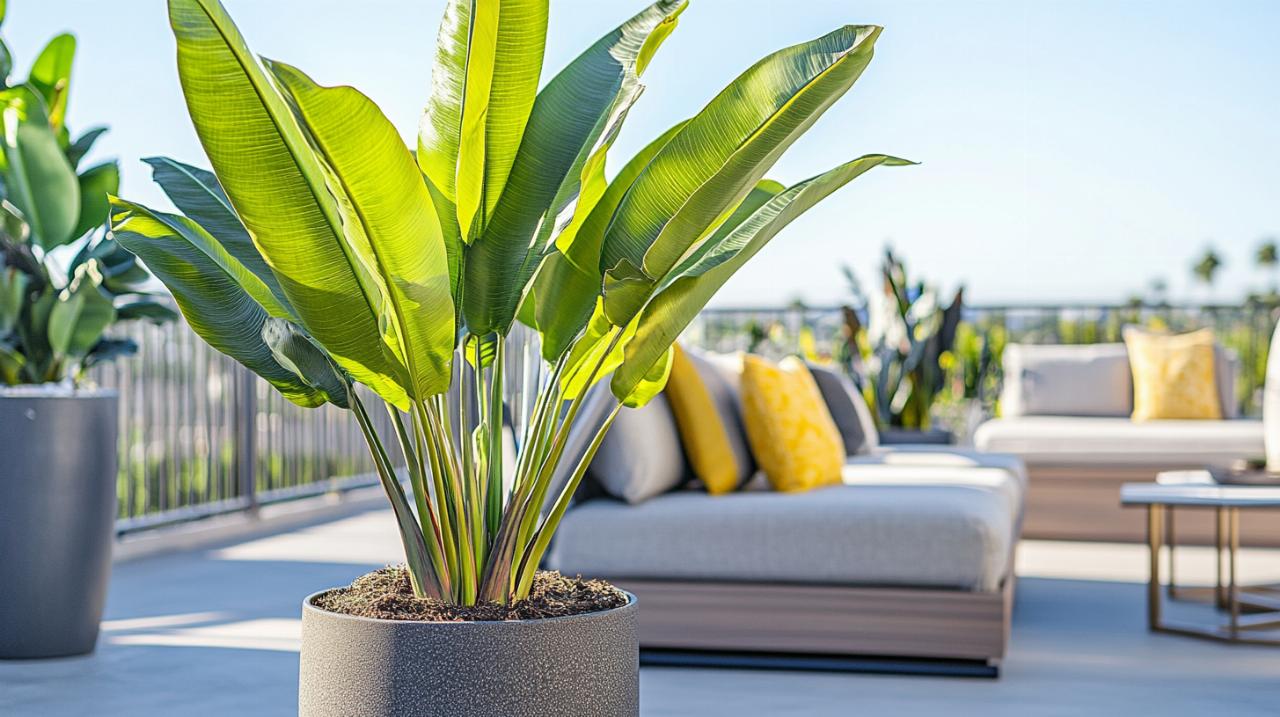
Establishing your banana plant is only the beginning; ongoing care is essential to ensure it remains healthy and continues to grow vigorously season after season. This includes a regular feeding regimen to support the plant's rapid growth, periodic maintenance to keep the foliage looking its best, and crucially, a robust winter protection strategy to safeguard it from the cold. With the right attention, your banana plant can become a long-term feature of your terrace, rewarding you with its tropical splendour year after year.
Feeding, Pruning and Maintenance from Young Plants to Mature Banana Trees
Banana plants are heavy feeders, requiring a steady supply of nutrients to fuel their impressive growth rate. During the growing season, which typically runs from late spring through to early autumn, a fortnightly application of liquid fertiliser is recommended. Opt for a balanced feed or one that is slightly higher in nitrogen to promote lush foliage development. Dilute the fertiliser according to the manufacturer's instructions and apply it to moist soil to avoid root burn. As autumn approaches and growth slows, reduce the frequency of feeding, and cease altogether during the winter months when the plant is dormant.
Pruning is relatively straightforward but important for maintaining the plant's aesthetic appeal and health. As older leaves age, they naturally turn yellow and brown, eventually dying back. These should be removed promptly by cutting them off at the base with clean, sharp secateurs to prevent them from becoming a breeding ground for pests or diseases. Additionally, the large leaves are prone to tearing and shredding, particularly in windy conditions. Whilst some tearing is inevitable and even gives the plant an authentic tropical appearance, excessively damaged leaves can be trimmed back to maintain a tidy look. If your plant produces offsets, commonly known as pups, these can be left to grow and create a clump effect, or carefully separated and potted up to propagate new plants.
Repotting is another aspect of ongoing care that should not be overlooked. Banana plants grow rapidly and can quickly become root-bound in their containers. Every spring, or at least every other spring, check the root system by gently tipping the plant out of its pot. If roots are circling the base or pushing through the drainage holes, it is time to move up to a larger container. Choose a pot that is approximately ten centimetres larger in diameter than the previous one, and refresh the soil mix to replenish nutrients. This process not only provides more room for growth but also reinvigorates the plant, setting it up for another season of vigorous expansion.
Winter protection strategies to keep your banana plant warm during cold months
Winter presents the greatest challenge for terrace-grown banana plants in the UK. Whilst hardy varieties like Musa basjoo can survive outdoors with adequate protection, tender varieties such as Ensete ventricosum Maurelii, the Red Abyssinian banana, must be brought indoors to avoid frost damage. For those opting to overwinter outdoors, the key is insulation. As autumn progresses and temperatures begin to drop, prepare your plant by reducing watering and ceasing fertilisation in September. This encourages the plant to enter dormancy and makes it more resilient to cold stress.
Once the first frosts threaten, the plant needs to be heavily insulated. Cut back the foliage to about thirty centimetres above the soil line, as the leaves will not survive freezing temperatures and can rot if left in place. Wrap the remaining stem and pot in layers of horticultural fleece, hessian, or even bubble wrap, securing it with string or tape. Create a protective cage around the plant using chicken wire or stakes, then pack the space with dry leaves, straw, or bracken to provide additional insulation. Cover the top with a waterproof layer, such as a plastic sheet or tarpaulin, to keep the insulation dry, but ensure there is some ventilation to prevent mould build-up. This method creates a cosy microclimate that can see your Musa basjoo through even a harsh winter.
For those bringing tender varieties indoors, find a cool but frost-free location such as a conservatory, garage, or spare room where temperatures remain between fifteen and eighteen degrees Celsius. The plant will enter dormancy, so reduce watering to just enough to prevent the soil from drying out completely, and do not feed. Keep it away from draughts and heating vents, which can cause stress. Come spring, as temperatures rise and the risk of frost passes, gradually reintroduce your plant to outdoor conditions by placing it outside for a few hours each day, slowly increasing exposure over a week or two. Resume regular watering and feeding as new growth emerges, and your banana plant will soon be back to its full tropical glory, ready to transform your terrace once more.