
Escaping the hustle of city life to settle into the peaceful embrace of the countryside offers a unique opportunity to design a dwelling that truly reflects a connection with nature. Imagine waking each morning to rolling hills, birdsong, and gardens that burst with seasonal colour. Whether you are contemplating a new build or revitalising an existing property, the journey towards crafting a beautiful country home begins with understanding how to harmonise interiors with the landscape beyond your windows. This guide explores practical approaches to designing a charming rural residence while cultivating verdant outdoor areas that invite relaxation and foster a genuine sense of belonging.
Creating a Charming Countryside Dwelling with Character
A beautiful country home captures the essence of rural living by blending traditional charm with contemporary comfort. The key lies in respecting the architectural heritage of the countryside while introducing modern elements that enhance daily life. Consider how historic cottages have stood the test of time, their stone walls and timber beams telling stories of generations past. Yet today's homeowners seek more than nostalgia; they desire spaces that accommodate modern conveniences without sacrificing character. This balance is achieved through thoughtful design choices that honour the past while embracing the present.
Selecting Natural Materials and Rustic Elements for Authentic Appeal
The foundation of any countryside dwelling rests upon the materials chosen to construct and finish it. Natural stone sourced locally not only reduces environmental impact but also ensures your home blends seamlessly with its surroundings. Timber frames and exposed beams introduce warmth and texture, creating interiors that feel both substantial and inviting. Reclaimed wood adds a layer of authenticity, its weathered surfaces bearing marks that machine-made alternatives simply cannot replicate. Earthy colours such as soft ochres, mossy greens, and warm terracottas echo the hues found in fields and hedgerows, grounding your interiors in the landscape itself. When selecting fixtures and fittings, opt for handcrafted pieces that celebrate craftsmanship over mass production. Iron door handles, copper light fittings, and ceramic tiles made by local artisans infuse your home with a sense of place and permanence. These choices extend beyond aesthetics; they support local economies and reduce the carbon footprint associated with transporting materials across great distances.
Maximising natural light and open plan living spaces
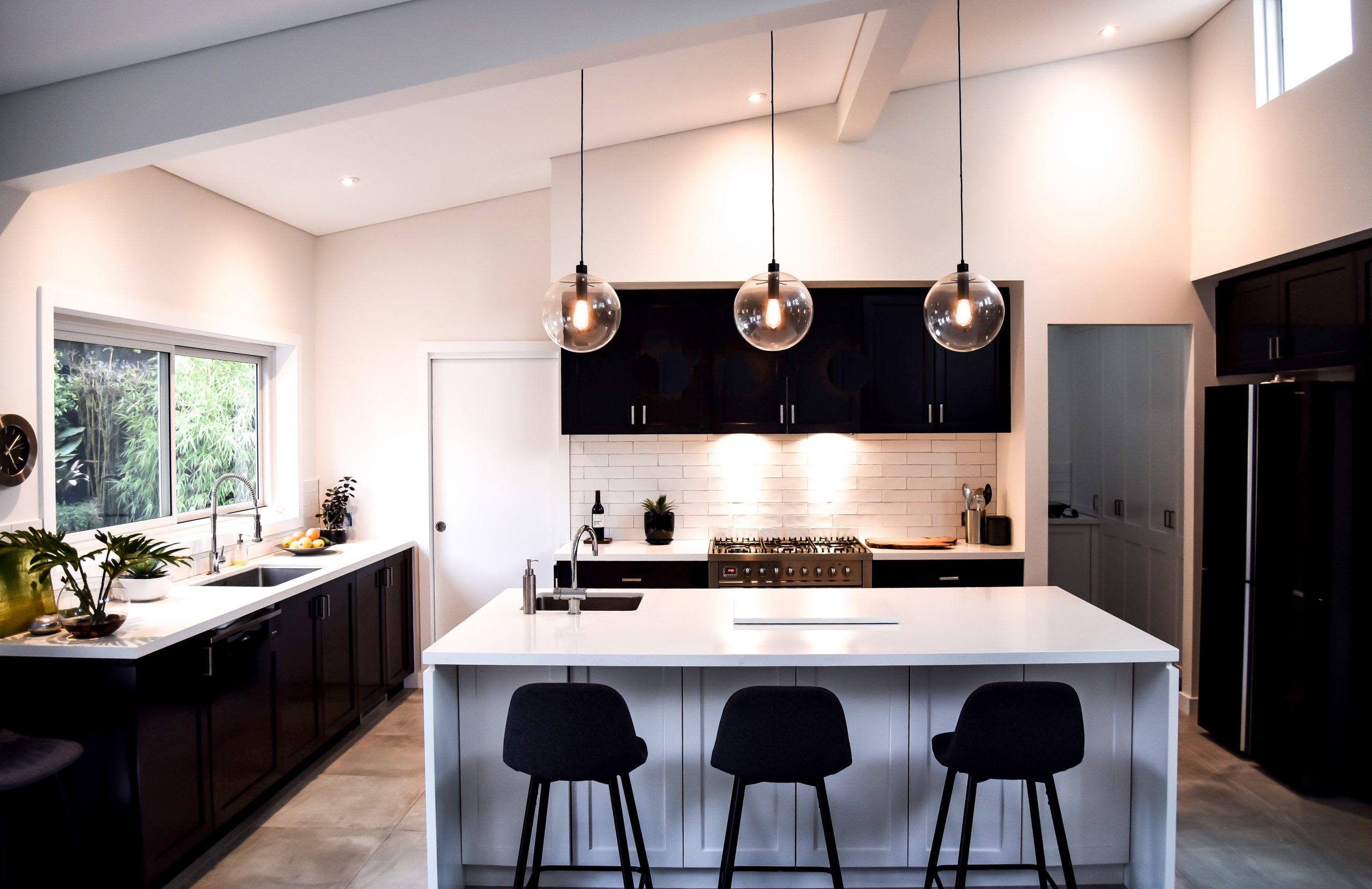
Country homes benefit immensely from generous windows that frame views of gardens, meadows, and distant horizons. Natural light transforms interiors, making rooms feel larger and more connected to the outdoors. Consider installing floor-to-ceiling glazing in living areas to blur the boundary between inside and out, allowing sunlight to flood in throughout the day. Open plan layouts further enhance this sense of spaciousness, enabling families to gather, cook, and relax without feeling confined by walls. However, open plan does not mean featureless; thoughtful zoning using furniture, rugs, and changes in floor level can define distinct areas while maintaining visual flow. Strategic placement of windows also addresses practical concerns such as passive solar heating, reducing reliance on artificial climate control. South-facing glazing captures winter sun, warming interiors naturally, while overhanging eaves or pergolas provide shade during summer months. This approach aligns with sustainable design principles, lowering energy consumption and fostering a healthier living environment. Balancing light with privacy is equally important, especially in rural settings where neighbours may be distant but views are cherished. Consider subtle window treatments such as linen curtains or wooden shutters that filter light softly without obstructing sightlines.
Designing Inviting Gardens and Outdoor Spaces for Year-Round Enjoyment
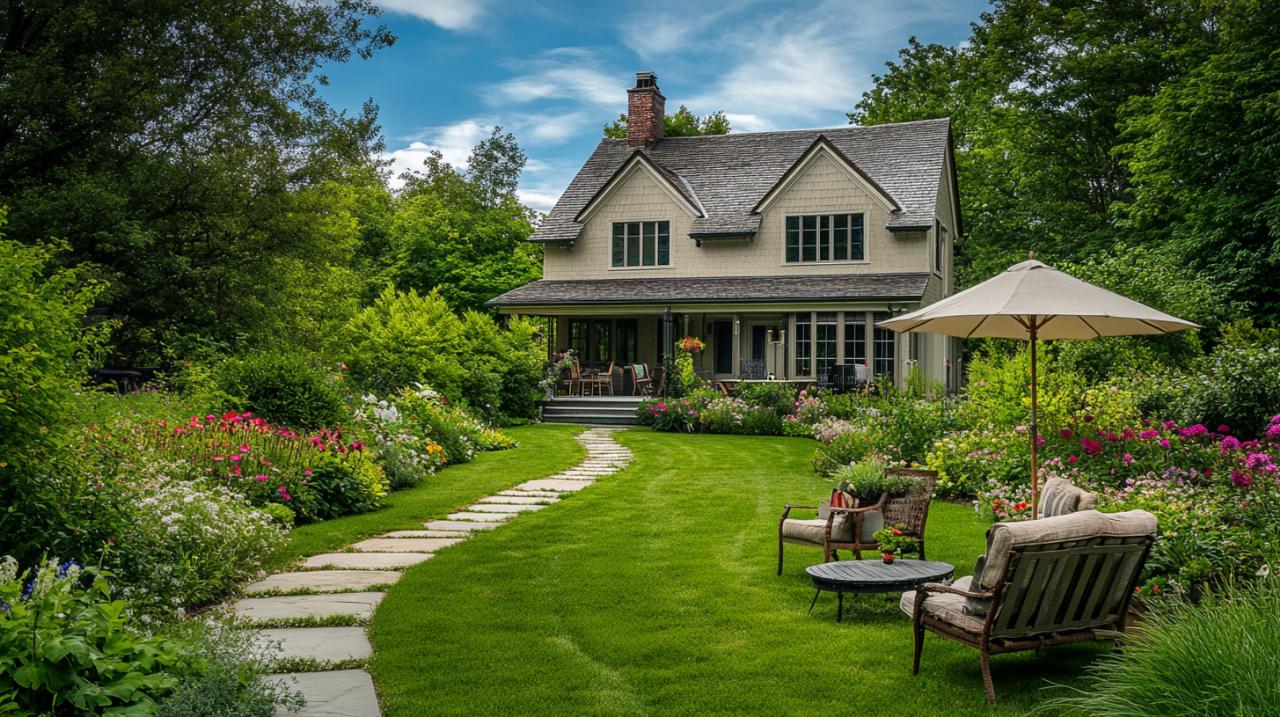
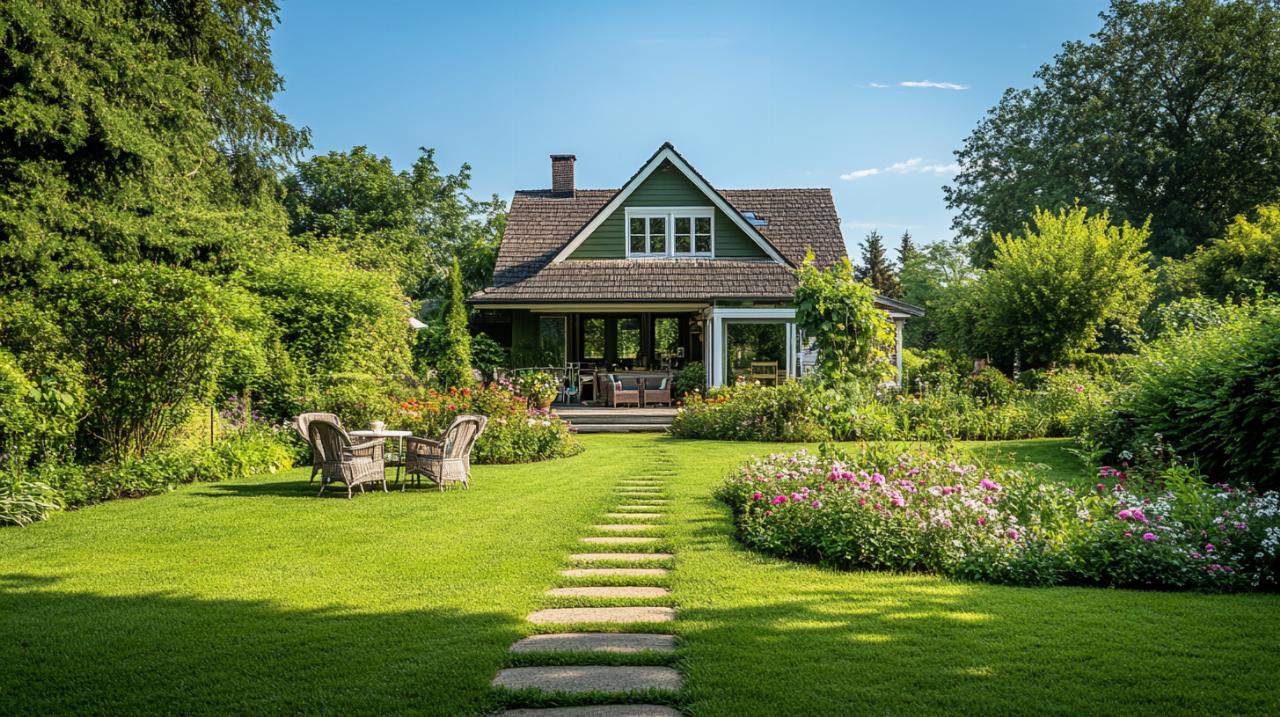
A beautiful country home extends far beyond its four walls, finding its fullest expression in the gardens and green spaces that surround it. These outdoor areas are not mere afterthoughts but integral components of rural living, offering spaces for reflection, recreation, and connection with nature. Thoughtfully designed gardens enhance mental wellbeing, reduce stress, and encourage active lifestyles, transforming your property into a sanctuary that nurtures both body and mind. The key is to create landscapes that feel both intentional and organic, blending cultivated areas with wilder, more naturalistic zones that support biodiversity.
Planning Lush Borders and Native Plantings for a Homely Feel
Gardens that embrace native planting not only require less maintenance but also support local wildlife, creating habitats for pollinators, birds, and beneficial insects. Begin by assessing your site's climate, soil type, and exposure to sun and wind, as these factors determine which plants will thrive. Native species such as foxgloves, primroses, and wild geraniums bring colour and texture while attracting bees and butterflies. Mixing perennials with seasonal bulbs ensures year-round interest, from the first snowdrops of late winter to the golden hues of autumn grasses. Lush borders should feel abundant yet unforced, with plants allowed to intermingle and self-seed, creating a tapestry that evolves with the seasons. Incorporating trees into your garden design provides structure, shade, and long-term ecological benefits. Tree-lined paths invite leisurely strolls, their canopies offering dappled light and shelter from sudden showers. Consider species such as birch, oak, and hawthorn, which are well-suited to the British climate and provide habitat for countless creatures. Avoid overly formal arrangements; instead, aim for a naturalistic aesthetic that mirrors the landscape beyond your boundaries. This approach not only enhances the beauty of your property but also contributes to broader environmental goals, including carbon sequestration and habitat preservation.
Incorporating comfortable seating areas and pathways throughout your garden
A garden truly comes alive when it offers spaces to linger, whether for morning coffee, afternoon reading, or evening gatherings with friends. Comfortable seating areas positioned to capture sunlight or shelter from the breeze transform outdoor spaces into extensions of your home. Consider a mix of fixed and movable furniture, from rustic wooden benches integrated into stone walls to lightweight chairs that can be repositioned as the seasons change. Pergolas draped with climbing roses or wisteria provide both structure and shade, creating intimate pockets within larger landscapes. Pathways play a crucial role in guiding movement through your garden, encouraging exploration and discovery. Gravel paths edged with low hedges or wildflower borders offer a satisfying crunch underfoot while requiring minimal maintenance. For cycling routes or areas where wheelbarrow access is needed, consider permeable paving that allows rainwater to drain naturally, reducing runoff and supporting soil health. Meandering paths create a sense of journey, revealing new vistas at every turn, while direct routes between house and vegetable patch serve practical needs. Lighting these pathways with subtle solar lanterns or low-voltage fixtures extends their usability into the evening, transforming your garden into a magical space after dark. Seasonal events such as Plant a Flower Day or celebrating the Spring Equinox provide opportunities to engage with your garden actively, planting bulbs, sowing seeds, or simply appreciating the changing rhythms of nature. These rituals deepen your connection to the land and foster a sense of stewardship that benefits both your property and the wider environment.