
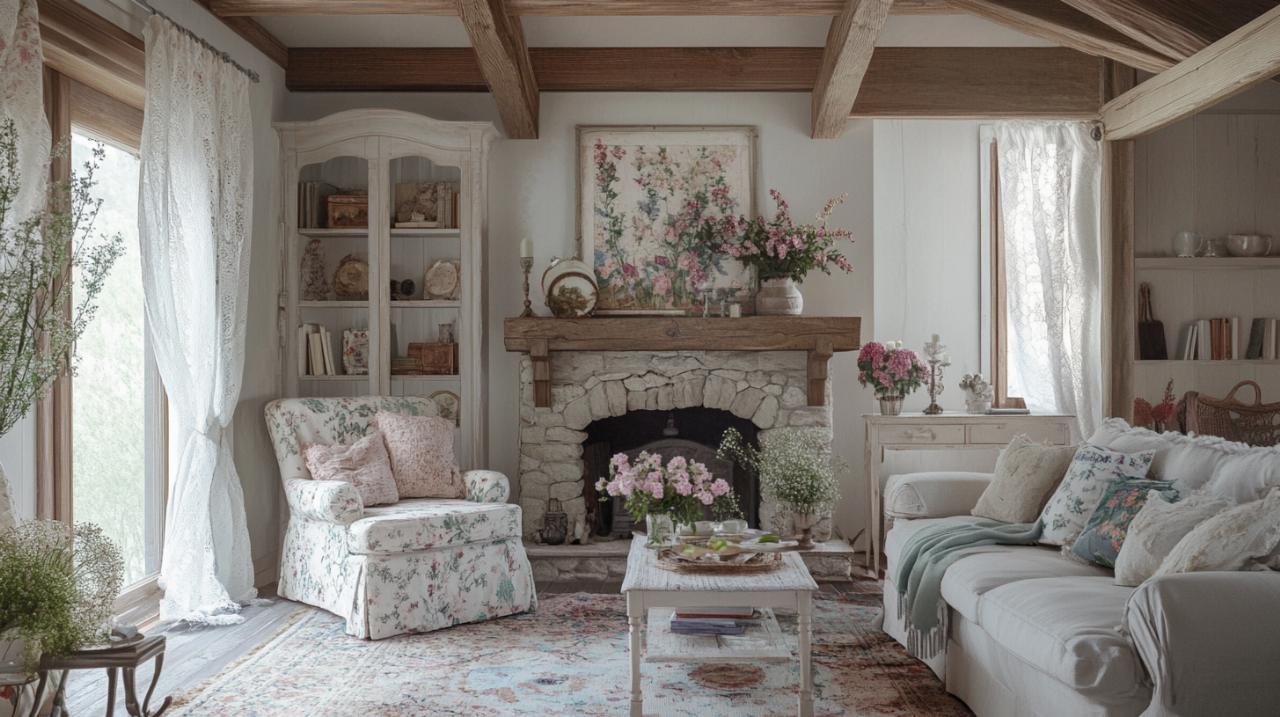
Transforming your living space into a haven of rustic elegance and relaxed charm doesn't require a relocation to the French countryside. Whether you're drawn to the artistic ambiance of Claude Monet's residence in Giverny, the sophisticated simplicity of Parisian boutiques, or the timeless appeal of British cottages, creating a warm and inviting home is entirely achievable. The essence of this aesthetic lies not in flawless execution but in cultivating an atmosphere that feels both lived-in and lovingly curated. By embracing natural materials, carefully selected furnishings, and a palette that whispers rather than shouts, you can infuse any room with the soul of provincial France.
Creating warmth through natural materials and textures
At the heart of achieving an authentic ambiance is the thoughtful selection of materials that evoke the countryside's enduring beauty. The tactile quality of your surroundings plays a crucial role in establishing a sense of comfort and connection to nature. By prioritizing elements that age gracefully and tell a story, you create a home that feels grounded and genuine. This approach ensures that every corner of your dwelling radiates warmth and invites relaxation, making it a true retreat from the outside world.
Incorporating wood and stone elements
Wood and stone form the backbone of rustic elegance, bringing the outdoors inside with their organic textures and earthy tones. In the kitchen, consider terracotta flooring or classic black-and-white tiles underfoot, paired with wooden utensils and ceramic pitchers displayed openly. These materials not only withstand daily use but also develop a patina over time that adds character. A traditional range cooker in muted enamel becomes a focal point, while a Delft tile backsplash introduces intricate patterns without overwhelming the space. Copper cookware hung from iron hooks catches the light, blending functionality with visual appeal. For the bathroom, a wooden stool beside a vintage ceramic sink offers both practicality and charm, while an antique mirror framed in weathered wood reflects the room's curated simplicity. Stone surfaces, whether in the form of exposed walls or countertops, anchor the design with their timeless solidity, ensuring that each room feels rooted in history yet entirely livable.
Choosing the Right Textiles: Linen and Cotton
Textiles breathe life into a home, softening hard surfaces and adding layers of comfort that invite you to linger. Linen and cotton are the undisputed stars of this aesthetic, celebrated for their natural fibres and understated elegance. In the living room, a linen sofa paired with cushions in floral tapestry or Toile de Jouy prints creates a welcoming focal point. Curtains in lightweight linen filter sunlight gently, casting a warm glow across wooden coffee tables and rattan furniture. The bedroom becomes a sanctuary with white cotton sheets, linen or velvet bedcovers, and a linen or wool throw draped casually at the foot of the bed. Even the kitchen benefits from the inclusion of linen towels and wicker baskets, which add texture without clutter. These fabrics age beautifully, their soft wrinkles and slight fading over time contributing to the overall sense of a home that is cherished and lived in. By favouring these natural textiles, you ensure that your interiors remain breathable, comfortable, and effortlessly chic.
Perfecting your french country colour palette and furnishings
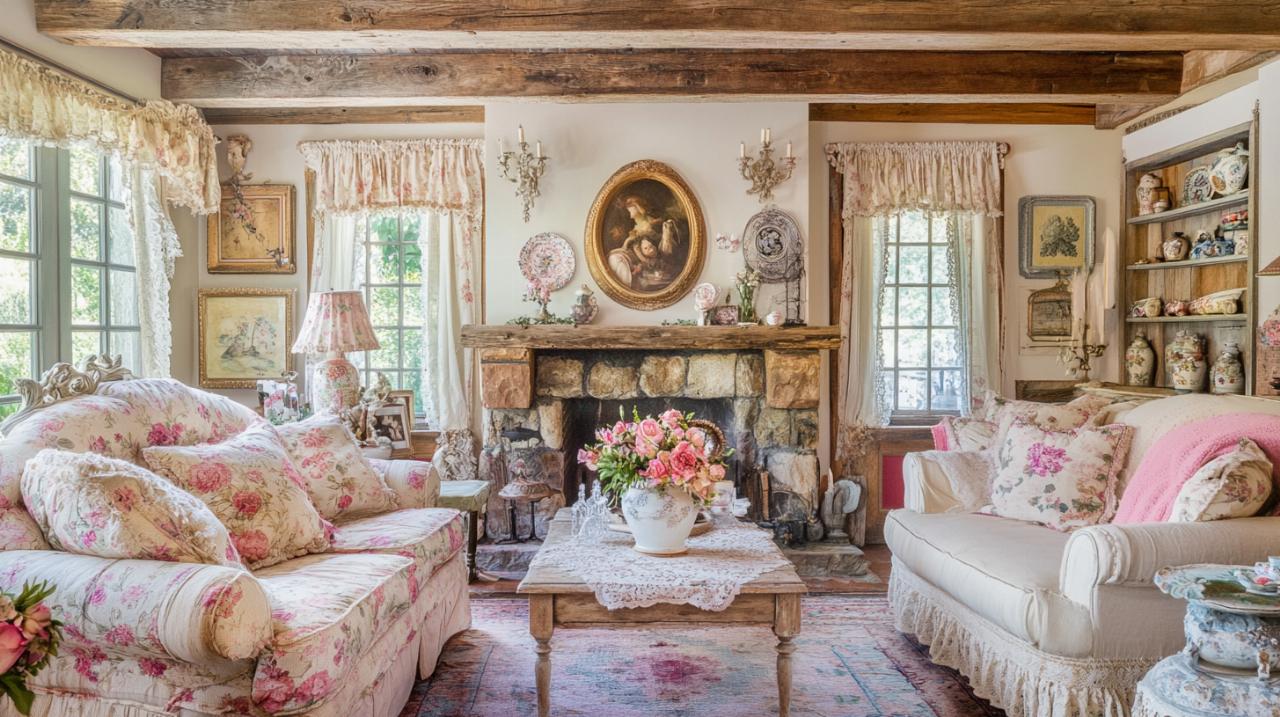
Colour and furniture choices are where french country interior design ideas truly come to life, transforming a collection of objects into a cohesive and inviting narrative. The palette you select sets the mood, while the pieces you bring into your home tell stories of craftsmanship and history. This balance between restraint and personality is what makes the style so enduringly appealing, offering a canvas that can be adapted to suit any dwelling.
Selecting neutral tones with soft colour accents
A neutral foundation is essential for achieving the relaxed elegance that defines this aesthetic. Shades of cream, soft grey, and warm beige dominate walls and larger furniture pieces, creating a backdrop that feels both calming and timeless. These tones allow architectural details and cherished objects to take centre stage without competing for attention. However, the introduction of soft colour accents prevents the space from feeling sterile or monotonous. Consider a dining room where white ceramic plates rest on a linen tablecloth, punctuated by a brass candlestick or a ceramic vase filled with fresh flowers in muted lavender or blush. In the bedroom, a floral tapestry cushion or a velvet bedcover in dusky rose adds depth without disrupting the serene atmosphere. Even in the bathroom, touches of colour through plush towels or scented soaps in delicate packaging can elevate the everyday into something special. The key is moderation, ensuring that each hue enhances rather than overwhelms, and that the overall effect remains harmonious and restful.
Sourcing antique and vintage furniture pieces
Furniture with history is the soul of any room inspired by provincial France. Antique and vintage pieces bring authenticity and character that cannot be replicated by mass-produced alternatives. A Thonet chair in the dining room, with its graceful curves and bentwood construction, becomes a conversation starter as well as a practical seat. An antique bedside table with slightly worn paint and brass handles tells a story of generations past, while a rattan headboard introduces natural texture and visual interest. The living room benefits from the presence of an antique sideboard or a wooden coffee table that bears the marks of years of use. These items need not be perfect; in fact, their imperfections are part of their charm. Flea markets, estate sales, and online platforms offer treasures waiting to be discovered, each one contributing to a home that feels curated rather than decorated. Pairing these pieces with simpler, more contemporary items ensures that the look remains fresh and livable, avoiding the trap of feeling like a museum. The result is a space that honours the past while embracing the present, offering comfort and style in equal measure.
 How to improve your kitchen?
 How Minimalism can make Your Decoration Skills A Game Changer
 THE CANNES REMODELING EXPERT
 5 Reasons to Hire a Home Renovations Cannes Company for Your Project
 What are the factors to consider when choosing interior design company Cannes?
 Ateliers Berger and their exceptional expertise in luxury decors